
My Approach
I find that nothing is better after an eventful day at work than an escape to the market to see what is fresh and in season. It’s also my signal to switch from work mode to home mode.
Then, reality sets in. Who is coming for dinner, and what are their likes and dislikes? Vegan, vegetarian, pescatarian, kosher, halal, paleo, lactose, gluten- or sugar-free? I have never had to work around as many diet restrictions and aversions as I do now. My goal is always to please my guests and family when I prepare a meal for them and to succeed in this endeavor, it’s important to not guess.
There are people that I cook for all the time and I always try to remember their preferences based on eating with them at my home, at their home and in restaurants. Fortunately, at least in this category, I have been blessed with a great memory. Outside of personal knowledge, I always make sure to ask questions of my dinner guests before I decide what to cook. It can be as simple as asking, as is common in many restaurants today, if they have any dietary restrictions. I usually ask what someone doesn’t eat and the cultural style of cooking they prefer. Many simple ingredients are flexible enough to be cooked in a variety of methods, spices and preparations. Knowing how to prepare a chicken breast recipe from every part of the world will ensure that your bases are covered.
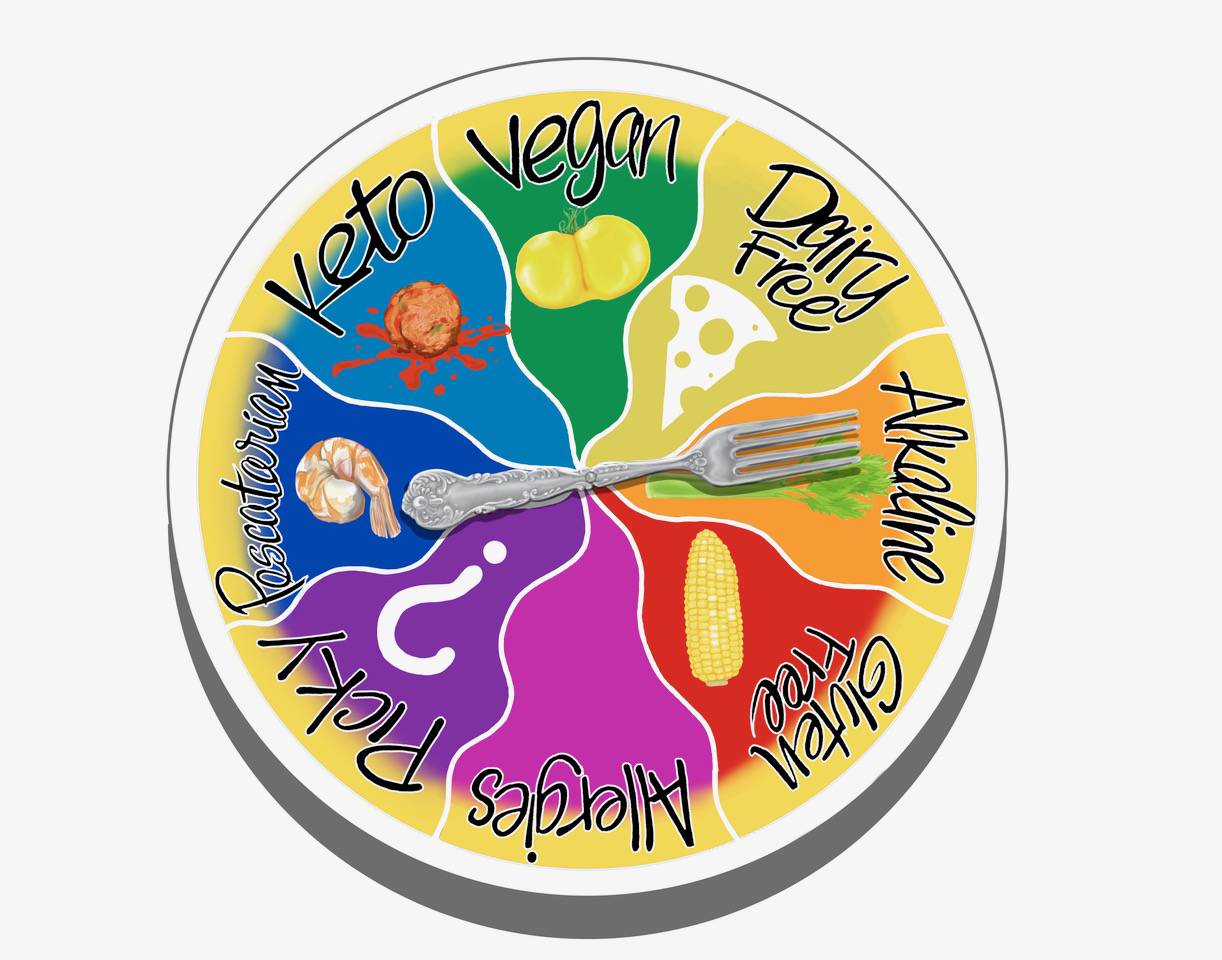
Then there are your own food limitations to work around. Sue and I have not eaten red meat in more than 30 years, and our daughter had never eaten it until she started dating a hunter. Our family leans very strongly towards a vegetable-forward, Mediterranean diet. We always eat a predominantly plant-based diet, with limited fish and fowl.
That said, I’m happy to cook anything for anyone, and if a dinner guest adores both beef and pork, then it’s going to be a two-protein meal. In those cases, sous vide is a great way to prepare two main protein courses, while not over or under cooking either meat.
The first thing I look at in every market are the vegetables, fruits and herbs before moving on to check out the fresh fish, seafood, and organic free-range chickens. Combining this approach with the necessary information to please family and guests is the magic to my formula. I keep a pantry stocked with oils, vinegars, limited canned goods, grains, pasta and spices. This allows me to prepare whatever it is that I am bringing home with the things that are needed to complete the meal. We completely avoid foods that have been processed past recognition of what they once were.
When reading this book, you will see that the recipes skew away from red meat, utilize olive oil more often than butter, and are very plant-forward. The idea behind this book is an approach to please your family and guests, and to make it collaborative and communal. I hope this inspires you to learn to view pleasing others as the true satisfaction derived from cooking, and in the process, should you choose to make one of my recipes, that’s great. In the end, I hope it bears out the age-old and proven benefits of “breaking bread.” It never fails to positively change your perception of others and their perception of you.